
In a world that often emphasizes individual achievement, the concept of community self-care stands as a gentle reminder of our shared responsibility. It invites us to consider how the well-being of the group can enrich our own lives. When we invest in our community’s health, we create a nurturing environment where connections deepen and spiritual growth flourishes.
Think about the moments when you’ve gathered with others—perhaps during a potluck dinner or a neighborhood clean-up. These shared experiences not only strengthen bonds but also cultivate a sense of belonging. Conversations about faith and shared values can spark insights that resonate deeply within us, fostering a collective journey toward understanding and compassion.
Community self-care is about recognizing that our individual wellness is intertwined with that of those around us. When one person thrives, it uplifts the entire group. By prioritizing our collective well-being, we create a space where everyone feels valued and supported, paving the way for collective healing and growth. As we explore seven practical strategies for enhancing group well-being, let’s remember that every small act of care contributes to a larger tapestry of connection and love.
1. Foster Open Communication
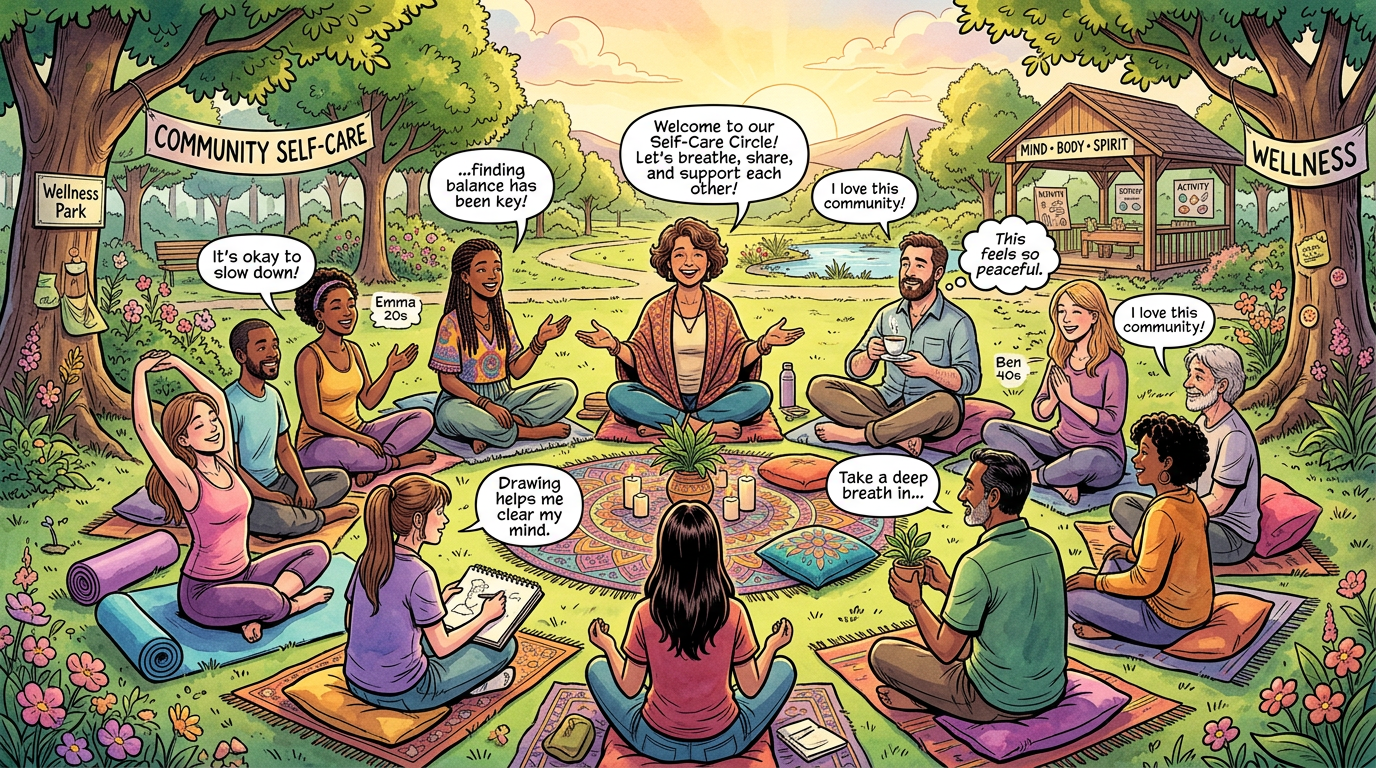
Creating a safe space for dialogue is essential for community self-care. When members feel respected and heard, it fosters deeper understanding and empathy among everyone involved. Imagine a circle where each voice is valued, where sharing becomes a bridge rather than a barrier. This openness encourages vulnerability, allowing individuals to express their thoughts and feelings authentically.
Effective communication strengthens bonds within the community. It invites stories, struggles, and triumphs to be shared, weaving a rich tapestry of collective experience. For instance, consider a small group that meets weekly to discuss faith. When members feel safe to share their doubts and joys, they often find common ground and support. This shared vulnerability can lead to profound connections and mutual growth.
Moreover, open dialogue helps to dispel misunderstandings. When we talk openly, we break down walls that isolate us, creating an environment where compassion flourishes. By encouraging everyone to share their perspectives, we not only validate their experiences but also nurture a culture of respect and love. In this way, fostering open communication becomes a cornerstone of community well-being, inviting us all to engage more deeply with one another.
2. Promote Shared Rituals and Practices
Shared rituals and practices play a pivotal role in enhancing our community self-care. They create a sense of belonging and purpose, allowing us to connect on a deeper level. Whether it’s a weekly gathering for prayer, a monthly potluck, or seasonal celebrations, these moments knit the fabric of our community tighter.
Consider the beauty of gathering for a shared meal. As we pass dishes around, stories and laughter flow freely. This simple act not only nourishes our bodies but also strengthens our bonds. Each shared meal becomes a ritual that reinforces our community identity and values, reminding us of our shared history and aspirations.
In many cultures, rituals mark significant life events, such as births, weddings, and even losses. These practices honor our collective experiences, offering spaces for reflection and healing. When we come together in these sacred moments, we affirm our commitment to one another, fostering a sense of unity.
Engaging in group meditation or prayer can also deepen our spiritual connection. These practices help us center our thoughts and emotions, collectively nurturing our well-being. As we open our hearts in these shared moments, we cultivate a supportive environment that uplifts everyone involved.
3. Create Support Networks
Establishing support networks within our community can be a transformative experience. These networks serve as a safety net, providing both emotional and practical help when we need it most. Imagine a neighbor stepping in to care for your children during a crisis or a friend offering a listening ear after a tough day. These small acts of kindness create bonds that strengthen our sense of brotherhood and sisterhood.
Support networks can address our spiritual needs, too. Organizing regular gatherings for prayer or reflection can foster deeper connections among members. These shared moments allow us to uplift each other, creating a refuge where we feel safe to express our struggles and joys. In this way, we not only support one another but also nurture our collective spirit.
Moreover, having a support system encourages accountability. When we know someone is there to check in on us, we’re more likely to take care of ourselves. This sense of responsibility fosters genuine relationships, reminding us that we are not alone on our journeys. By creating these networks, we cultivate a culture of care that resonates throughout our community, enriching the lives of all involved.
4. Encourage Community Service
Engaging in community service can be a profound form of spiritual practice. When we dedicate time to helping others, we not only uplift those in need but also enrich our own lives. This reciprocal relationship fosters a deep sense of purpose, reminding us of our shared humanity.
Consider the experience of volunteering at a local shelter. As you serve meals or provide companionship, you witness the impact of your kindness firsthand. These moments create connections that transcend individual differences, weaving a stronger fabric within the community. Through shared goals, we cultivate bonds that help us navigate life’s challenges together.
Community service also encourages collaboration, fostering a sense of unity. When people come together for a common cause, they discover strengths in one another. The laughter shared during a cleanup drive or the stories exchanged while planting trees become cherished memories. These experiences not only enhance our collective well-being but also build a sense of belonging.
By participating in community service, we actively contribute to a culture of care. Each act of kindness ripples outward, creating a supportive environment where everyone thrives. Together, we can nurture a vibrant community that reflects love, compassion, and resilience.
5. Organize Educational Workshops
Hosting educational workshops can be a transformative way to enhance community self-care. These gatherings provide opportunities for individuals to explore themes of faith, morality, and personal development. When we come together to learn, we create a shared space where ideas can flourish and inspire growth.
Imagine a workshop focused on forgiveness, where participants share personal stories and insights. This not only deepens understanding but also fosters a sense of connection. As we engage in these discussions, we become more attuned to each other’s experiences, igniting a culture of shared learning.
Moreover, workshops can serve as a platform for skill-building. Whether it’s teaching practical life skills or exploring deeper philosophical questions, these sessions cultivate a sense of empowerment. When individuals feel equipped with knowledge, they are more likely to contribute positively to the community.
In this way, educational workshops become more than just events; they are stepping stones toward collective growth. Each participant leaves with new insights, nurturing a culture of empathy and understanding. By prioritizing these gatherings, we weave a stronger fabric of community, where everyone feels valued and inspired to thrive.
6. Establish Healthy Boundaries
Setting healthy boundaries within our community interactions is essential for nurturing a supportive environment. Just as we honor our own limits, we must respect the boundaries of others. This mutual understanding fosters a space where everyone feels safe to express themselves without fear of judgment or overextension.
Boundaries help prevent burnout and resentment. When we delineate what we can give and what we need, we protect our energy and emotional well-being. For instance, if a member of the community feels overwhelmed by constant requests for help, they should feel empowered to say no. This isn’t just about individual well-being; it encourages a culture of respect where everyone’s needs are valued.
Consider the example of a community project where roles are clearly defined. When each member knows their responsibilities and limits, it reduces stress and uncertainty. This clarity allows individuals to contribute meaningfully without feeling burdened.
Ultimately, establishing these boundaries cultivates understanding and respect among community members. By prioritizing healthy interactions, we not only enhance our collective well-being but also strengthen the bonds that connect us all.
7. Cultivate Joy and Celebration
Joy and celebration are vital threads in the fabric of community life. When we come together to mark special occasions, we strengthen our connections and create lasting memories. Whether it’s a holiday gathering, a birthday celebration, or simply a shared meal, these moments of joy foster a sense of belonging.
Think back to a time when you celebrated with friends or family. The laughter, the shared stories, and even the small traditions—these experiences bind us closer. They remind us that we are part of something larger than ourselves, a community that thrives on connection and support.
Celebrations don’t always have to be grand. Simple acts, like a potluck dinner or a spontaneous picnic in the park, can infuse our lives with joy. These gatherings allow us to appreciate one another in a relaxed atmosphere, deepening our relationships.
Moreover, celebrating milestones, both big and small, reinforces a culture of recognition. When we acknowledge each other’s achievements, we uplift one another, creating an environment where everyone feels valued. In this way, joy becomes a catalyst for community self-care, nurturing our collective spirit as we navigate life together.
Creating a Thriving Community Through Collective Care
In our exploration of community self-care, we’ve uncovered how collective well-being enriches our individual journeys. Each strategy we discussed—whether it’s fostering open communication, participating in shared practices, or celebrating achievements—contributes to a larger tapestry of connection and support.
When we prioritize collective care, we create a nurturing environment where everyone can flourish. This ongoing commitment to one another transforms our spaces into sanctuaries of love, compassion, and resilience. It’s about recognizing that while our personal paths may be unique, they are beautifully intertwined with those around us.
Consider how your community feels when everyone actively participates in caring for one another. The simple act of checking in, volunteering together, or sharing a meal can uplift spirits and build lasting bonds. These moments not only enhance our shared experiences but also deepen our spiritual growth.
As we move forward, let us carry the understanding that community self-care is not a one-time effort. It is a continuous journey that requires our collective engagement. By embracing these practices, we can cultivate a vibrant community that reflects our shared values and dreams, fostering a supportive environment for all. Together, we can thrive.

Leave a Reply