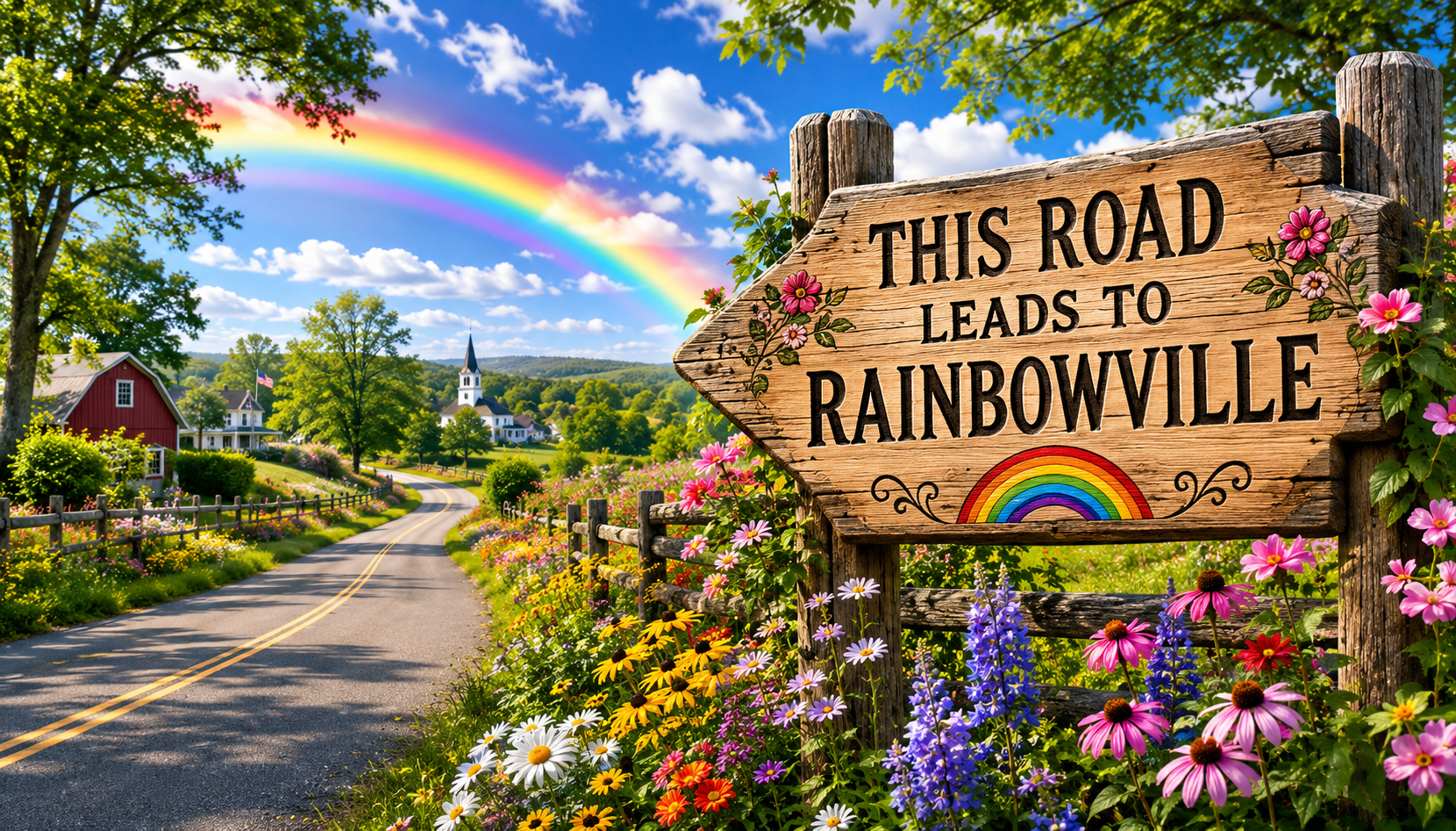


In a world that often feels fragmented, harmony events serve as a vital bridge for those seeking spiritual exploration. These gatherings invite individuals from all walks of life to come together, fostering a sense of belonging and connection. Here, the power of shared experiences unfolds, allowing participants to explore their faith and deepen their understanding in a supportive environment.
At the heart of harmony events is the belief that community nurtures the soul. When we gather, we create a tapestry of diverse perspectives, each thread contributing to a richer understanding of our shared humanity. Whether through workshops, discussions, or simple moments of reflection, these events encourage participants to engage with their inner selves and with one another.
Imagine a circle of individuals, each sharing their journey, their struggles, and their triumphs. This openness cultivates a space where forgiveness and redemption can flourish. It’s a reminder that we are not alone in our quest for meaning. Harmony events embody this spirit, inviting us to step into a space where we can explore not just our spirituality, but also the profound connections that bind us together.
1. Creating a Welcoming Environment
Creating a welcoming environment is essential for harmony events. The physical space we gather in can significantly enhance our spiritual experiences. Think about the last time you walked into a room that felt inviting and warm; it’s almost as if the atmosphere wrapped you in a comforting embrace.
Incorporating meaningful symbols and decorations can help establish this inviting atmosphere. Imagine soft lighting, comfortable seating, and art that reflects diverse spiritual traditions. These elements do more than beautify a space; they serve as conversation starters and reminders of our shared journey toward understanding and connection.
It’s also crucial to foster a safe and inclusive atmosphere. This means not only being mindful of the language we use but also creating spaces where everyone feels seen and heard. Consider offering diverse seating arrangements that encourage interaction, or hosting small group discussions that allow for deeper connections.
Engagement is key. When attendees feel comfortable, they are more likely to share their stories and insights. This openness can lead to transformative experiences, where forgiveness and understanding blossom. By thoughtfully curating both the physical and emotional aspects of our gathering spaces, we invite participants to explore their spirituality and build meaningful relationships with one another.
2. Facilitating Meaningful Discussions
At the heart of harmony events is the art of fostering meaningful discussions. These conversations can bridge gaps in understanding and create deeper connections among participants. Active listening plays a vital role here. When we truly listen, we open ourselves to the stories and experiences of others. This practice not only validates their feelings but also enriches our own perspectives.
Introducing sensitive topics requires a gentle touch. It’s essential to frame these discussions with respect and care. For instance, instead of diving straight into divisive subjects, we might start with shared values. Asking open-ended questions can guide the conversation, allowing participants to express their views without fear of judgment. This sets a tone of safety and respect, which is crucial for exploring complex issues like faith and morality.
Encouraging diverse viewpoints is another key technique. When we invite contributions from all corners of our community, we create a tapestry of thoughts and beliefs. Imagine a circle where each voice adds a unique thread, weaving together a richer understanding of our shared humanity. This diversity not only stimulates vibrant dialogue but also fosters a sense of belonging.
Ultimately, harmony events thrive when we create spaces where participants feel valued and heard. By cultivating an atmosphere of empathy and openness, we empower each other to explore our spiritual journeys together. This is where the magic happens—where connection and understanding flourish, illuminating the path toward personal and collective growth.
3. Incorporating Spiritual Practices
Incorporating spiritual practices into harmony events can greatly enhance participants’ experiences. Simple activities like meditation, prayer, and mindfulness create an atmosphere of tranquility and connection. These practices invite individuals to slow down, breathe deeply, and engage with their inner selves, fostering a sense of peace that resonates throughout the gathering.
Group spiritual activities offer unique benefits, as they encourage participants to share their journeys. When we meditate or pray together, we cultivate a powerful sense of unity. Sharing these moments can deepen our understanding of one another, reminding us that we are all on a similar quest for meaning and connection. It’s in these shared experiences that we often find healing and support.
Yet, it’s equally important to create space for individual reflection within the communal context. Harmony events can include quiet corners or designated times for personal contemplation. This allows participants to process their thoughts and feelings, ensuring everyone’s spiritual journey is honored. Even in a bustling group, moments of solitude can be profoundly enriching.
By thoughtfully integrating these spiritual practices, harmony events transform into sacred spaces. They invite participants to explore not only their own spirituality but also the collective energy of the group. This blend of personal reflection and shared experience fosters a deeper sense of belonging, paving the way for authentic connections to flourish.
4. Building Community Connections
Creating lasting bonds among attendees is essential for the success of harmony events. One effective method is organizing follow-up gatherings or discussions. These gatherings can serve as a continuation of the connections made during the initial event. Imagine a cozy circle where participants share their reflections and experiences, deepening their understanding of each other’s journeys. This ongoing dialogue nurtures a sense of belonging that extends beyond the event itself.
Social media also plays a vital role in maintaining these connections. A dedicated group or page can provide a space for participants to share insights, post questions, and celebrate milestones. These online platforms become a virtual sanctuary where community members can support one another, even when apart. By encouraging the sharing of personal stories and resources, we create a vibrant tapestry of ongoing engagement.
Moreover, volunteer opportunities can significantly strengthen these bonds. When attendees participate in organizing future events or community service projects, they build friendships rooted in shared purpose. Working side by side fosters trust and deepens connections, making the community feel like a true family.
In essence, the heart of harmony events lies in the relationships that blossom within them. By prioritizing follow-up connections, harnessing the power of social media, and encouraging collective action, we cultivate an enduring community that supports spiritual exploration and personal growth.
5. Evaluating and Evolving Events
Gathering feedback after harmony events is essential for nurturing growth and enhancing future experiences. It’s not just about collecting opinions; it’s about inviting participants to share their stories. Simple methods like anonymous surveys or informal discussions can open the door to valuable insights. When attendees feel their voices matter, they’re more likely to engage deeply in future gatherings.
Using feedback to tailor topics and practices is a powerful tool for evolution. If participants express a desire for more focus on specific themes, like forgiveness or community building, those insights can shape the next event. For instance, if many share a longing for deeper discussions on compassion, event planners can create spaces and activities that address this need. This responsive approach fosters a sense of ownership among participants.
Self-reflection also plays a crucial role in event planning. After each gathering, take a moment to reflect on what went well and what could be improved. Consider specific interactions or activities that resonated with attendees. This introspection helps us grow as facilitators and ensures that future harmony events are not only relevant but also enriching.
By regularly evaluating and evolving our approach, we create a dynamic environment where connection thrives. Each event becomes a stepping stone, guiding us toward deeper understanding and shared experiences. This cycle of feedback and reflection strengthens the bonds between us, paving the way for even more meaningful gatherings.
Embracing the Journey of Connection
As we reflect on the transformative experiences shared at Harmony Events, it’s clear that these gatherings leave a lasting impact. Each encounter fosters personal growth, invites vulnerability, and nurtures a sense of belonging. Participants often leave feeling not just connected to others, but also to themselves—a reminder that our spiritual journeys are deeply intertwined.
These events serve as a catalyst for profound connections, where stories of forgiveness and understanding weave together. They remind us that we are part of a larger tapestry, each thread representing a unique experience that enriches the whole. Whether through shared laughter, tears, or quiet moments of reflection, the bonds formed here echo well beyond the event itself.
I encourage you to seek out local or virtual Harmony Events in your community. Engaging in these spaces can open doors to new perspectives and friendships. Embrace the journey, knowing that each step taken in connection is a step toward deeper understanding and collective healing.
Let us continue to explore our spirituality together, nurturing the connections that uplift and inspire us. After all, it is in these shared moments that we truly discover the beauty of our human experience.

Leave a Reply