
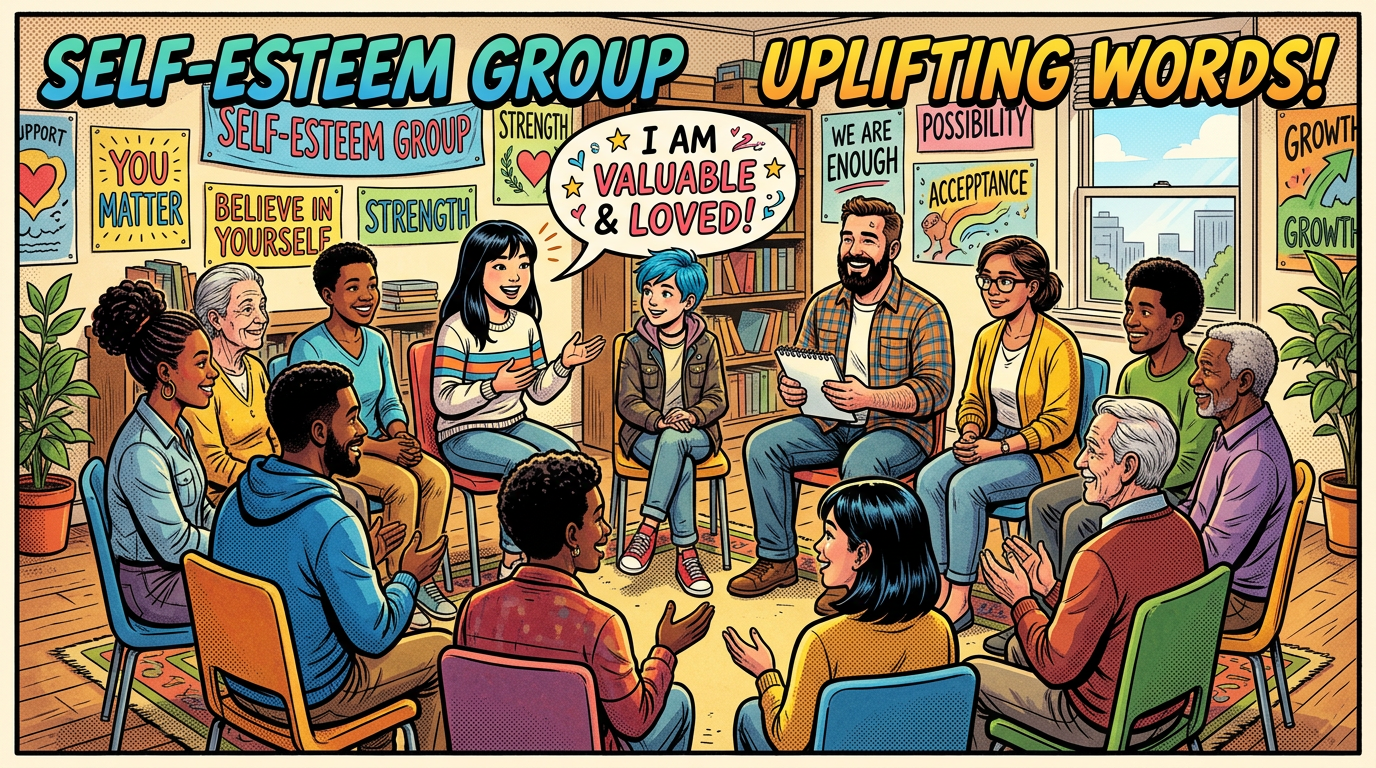
Self-esteem is the lens through which we view ourselves and our worth in the world. It shapes our thoughts, emotions, and actions, influencing how we navigate life’s challenges. Engaging in self-esteem group activities can be a powerful way to foster personal growth, especially within a supportive community. When we come together, we create a space where shared experiences can uplift and inspire.
In a spiritual context, self-esteem is intertwined with our sense of belonging and purpose. It encourages us to embrace our unique journeys and recognize the value in our stories. Group activities not only bolster our self-image but also remind us that we are not alone in our struggles.
When we engage with others, we learn to reflect on our strengths and vulnerabilities. This collective exploration can lead to profound insights and lasting connections. By participating in self-esteem group activities, we can cultivate resilience, empathy, and a deeper understanding of ourselves and those around us.
As we delve into ten engaging activities designed to enhance self-esteem, let’s embrace the journey of personal growth together, fostering a community rooted in love and support.
1. Sharing Personal Stories
One of the most powerful self-esteem group activities is sharing personal stories. When participants open up about their experiences, it fosters a sense of vulnerability and connection. This simple act can significantly boost self-esteem by reminding us that we are not alone in our struggles.
Creating a safe environment is crucial for this activity. Members should feel encouraged to speak their truths without judgment. As stories unfold, authenticity blossoms, allowing group members to build trust.
For example, someone might share a moment of failure that turned into a valuable lesson. Hearing this can inspire others to reflect on their own journeys and embrace their imperfections.
By sharing, participants learn that everyone has faced challenges and triumphs. This collective experience nurtures empathy, reminding us that our stories, however different, weave a common thread of humanity.
2. Affirmation Circles
Affirmation Circles create a nurturing space where group members can share positive words about one another. In a circle, each person takes turns offering affirmations, focusing on the strengths and unique qualities of their peers. This practice not only reinforces individual worth but also strengthens the bonds within the group.
Imagine sitting in a circle, hearing heartfelt compliments. You might say, “I admire your kindness,” or “Your creativity inspires me.” Each affirmation serves as a reminder that we are all valuable and worthy of recognition.
As individuals receive affirmations, they start to recognize their own worthiness. This simple act of positive reinforcement can shift self-perceptions, making it easier to embrace our true selves. In turn, participants learn to appreciate each other, fostering a community built on love and support. Through this shared experience, we cultivate a sense of belonging and mutual respect.
3. Role-Playing Scenarios
Role-playing scenarios are a powerful tool in self-esteem group activities. Participants can step into different roles, allowing them to explore new perspectives and build confidence in their interactions. This immersive experience encourages empathy, helping each individual understand viewpoints outside their own.
Imagine a participant taking on the role of a supportive friend while another acts as someone struggling with self-doubt. Through this dynamic exchange, they can practice compassion and learn how to effectively support others in real-life situations. It’s a practical approach that prepares them for challenging conversations, making them feel more equipped and confident.
Moreover, role-playing creates a safe space for vulnerability. Participants can express their fears and insecurities without judgment, fostering trust within the group. This shared exploration not only strengthens individual self-esteem but also cultivates a deeper sense of community, reminding everyone that they are not alone in their struggles.
4. Creative Expression Workshops
Creative expression workshops offer a sanctuary for individuals to explore their thoughts and feelings without judgment. Whether through painting, writing, or music, these activities encourage participants to tap into their inner selves. This process of self-discovery often leads to profound insights and a deeper acceptance of who we are.
Imagine a room filled with the sound of paintbrushes on canvas or the gentle strumming of a guitar. In these spaces, creativity becomes a powerful tool for healing. Participants can express their emotions in ways that words alone sometimes cannot capture. For instance, a person may paint their journey through anxiety, finding comfort in the colors and shapes that represent their feelings.
As individuals share their creations, they forge connections with others. This communal experience fosters a sense of belonging, reminding everyone that their stories—and their struggles—are valid. By embracing creativity in these workshops, we not only enhance our self-esteem but also celebrate the beauty of our shared humanity.
5. Team-Building Activities
Team-building activities are a wonderful way to foster trust and cooperation among participants. These exercises not only encourage collaboration but also allow individuals to step outside their comfort zones in a supportive environment.
Consider a simple challenge, like a trust fall. Participants take turns falling backward into the arms of their teammates. This activity deepens connections, showing that relying on others can be both scary and liberating. Each fall builds trust, reinforcing the idea that we are stronger together.
Another engaging exercise is the “Human Knot.” In this activity, participants stand in a circle and hold hands with two different people across from them. The challenge is to untangle themselves without letting go. This playful puzzle fosters communication and problem-solving, highlighting the importance of teamwork.
Through these activities, participants truly feel a sense of belonging. They learn that they are not alone in their journeys, surrounded by individuals who share their aspirations and struggles. This supportive atmosphere nurtures self-esteem while reinforcing the bonds of community.
6. Gratitude Journaling
Gratitude journaling is a powerful self-esteem group activity that invites participants to share what they are thankful for. This practice shifts our focus from negatives to positives, allowing us to see the beauty in our lives. When individuals voice their gratitude, it creates a ripple effect, encouraging others to reflect on their own blessings.
As we engage in this mindful exercise, we cultivate appreciation for our experiences, big and small. Perhaps someone shares their gratitude for a simple moment—a warm cup of coffee on a chilly morning—which can inspire others to recognize similar joys in their lives.
This communal sharing not only enhances our perspective but also fosters a deeper connection within the group. In expressing gratitude, we build a supportive environment where everyone feels seen and valued. Through gratitude journaling, we celebrate our journeys, reinforcing the idea that even in challenges, there is always something to cherish.
7. Guided Meditation Sessions
Incorporating guided meditation sessions into self-esteem group activities offers a powerful tool for relaxation and self-reflection. These sessions create a sacred space where participants can quiet their minds and connect with their inner selves. As they focus on their breath and let go of distractions, individuals begin to cultivate a deeper sense of peace and acceptance.
Through shared experiences in meditation, group members form stronger bonds. When participants open up about their feelings during these sessions, they often find solace in knowing others share similar struggles. This vulnerability encourages compassion and understanding, fostering a supportive environment where everyone feels valued.
As individuals learn to embrace their thoughts and emotions without judgment, they unlock pathways to self-acceptance. Guided meditation not only nurtures personal growth but also strengthens the fabric of community, reminding us that we are all on this journey together.
8. Setting Personal Goals
Setting personal goals is a powerful activity that encourages a proactive approach to personal growth. When participants articulate their aspirations, they create a roadmap for themselves, fostering a sense of purpose and direction. Sharing these goals within the group reinforces accountability, allowing individuals to support one another on their journeys.
This process creates an environment steeped in encouragement and motivation. For instance, when one person shares their goal of improving their public speaking skills, others might chime in with tips or offer to practice together. This collective support not only bolsters individual confidence but also strengthens the bonds within the group.
Moreover, as participants celebrate each small achievement together, they cultivate a culture of positivity. Each step taken toward personal goals is a shared victory, reminding everyone that growth is a journey best traveled with companions who uplift and inspire.
9. Group Discussions on Faith and Morality
Facilitated discussions on faith and morality create a safe space for group members to explore their beliefs and values. These discussions promote reflection, inviting participants to examine how their principles shape their self-esteem. By sharing personal stories, individuals can uncover deeper insights into their own motivations and aspirations.
Encouraging honest sharing while respecting differing viewpoints fosters an atmosphere of trust. Each person’s perspective enriches the conversation, allowing participants to see the world through varied lenses. This diversity of thought not only broadens understanding but also nurtures empathy within the group.
For instance, a discussion might center around forgiveness—a concept that can profoundly impact self-worth. By sharing experiences and challenges related to forgiveness, participants may find common ground that strengthens their bond. In this way, group discussions on faith and morality become a powerful self-esteem group activity, reminding everyone that our beliefs connect us in our shared human experience.
10. Feedback and Reflection Sessions
Regular feedback sessions are a cornerstone of personal growth within self-esteem group activities. These gatherings create a safe space for members to share their experiences and reflect on their journeys. By engaging in open dialogue, participants enhance their communication skills and develop a greater self-awareness.
Constructive criticism plays a crucial role here. When group members offer insights, they help each other view challenges from new perspectives. This feedback isn’t just about pointing out areas for improvement; it’s also a moment for positive reinforcement. A simple acknowledgment of progress can uplift spirits and motivate individuals to keep striving.
Consider the impact of sharing a recent challenge. One member might express how they struggled with self-doubt, while others can offer encouragement or share similar experiences. This exchange not only fosters connection but also deepens the understanding that growth is often fueled by community support. In these sessions, participants learn to value their voices and the contributions of others, reinforcing a collective journey of self-discovery.
Conclusion
As we reflect on the transformative power of self-esteem group activities, it’s clear that communal support is essential for personal growth. Each activity encourages participants to share their stories, fostering a sense of belonging and understanding. When individuals come together in this way, they not only uplift one another but also create an environment where self-acceptance thrives.
Engaging in these activities allows us to confront our insecurities alongside others who share similar experiences. This shared vulnerability nurtures lasting connections, reminding us that we are not alone in our journeys. The simple act of supporting each other can ignite a spark of confidence, encouraging us to take action toward our personal goals.
I invite you to take those first steps. Whether it’s joining a group or initiating a gathering, embrace the potential these self-esteem group activities hold for your growth. Remember, every small victory celebrated together is a testament to your resilience and strength. Let’s continue to build a community grounded in love, support, and shared experiences, where each voice is valued, and every journey matters.

Leave a Reply