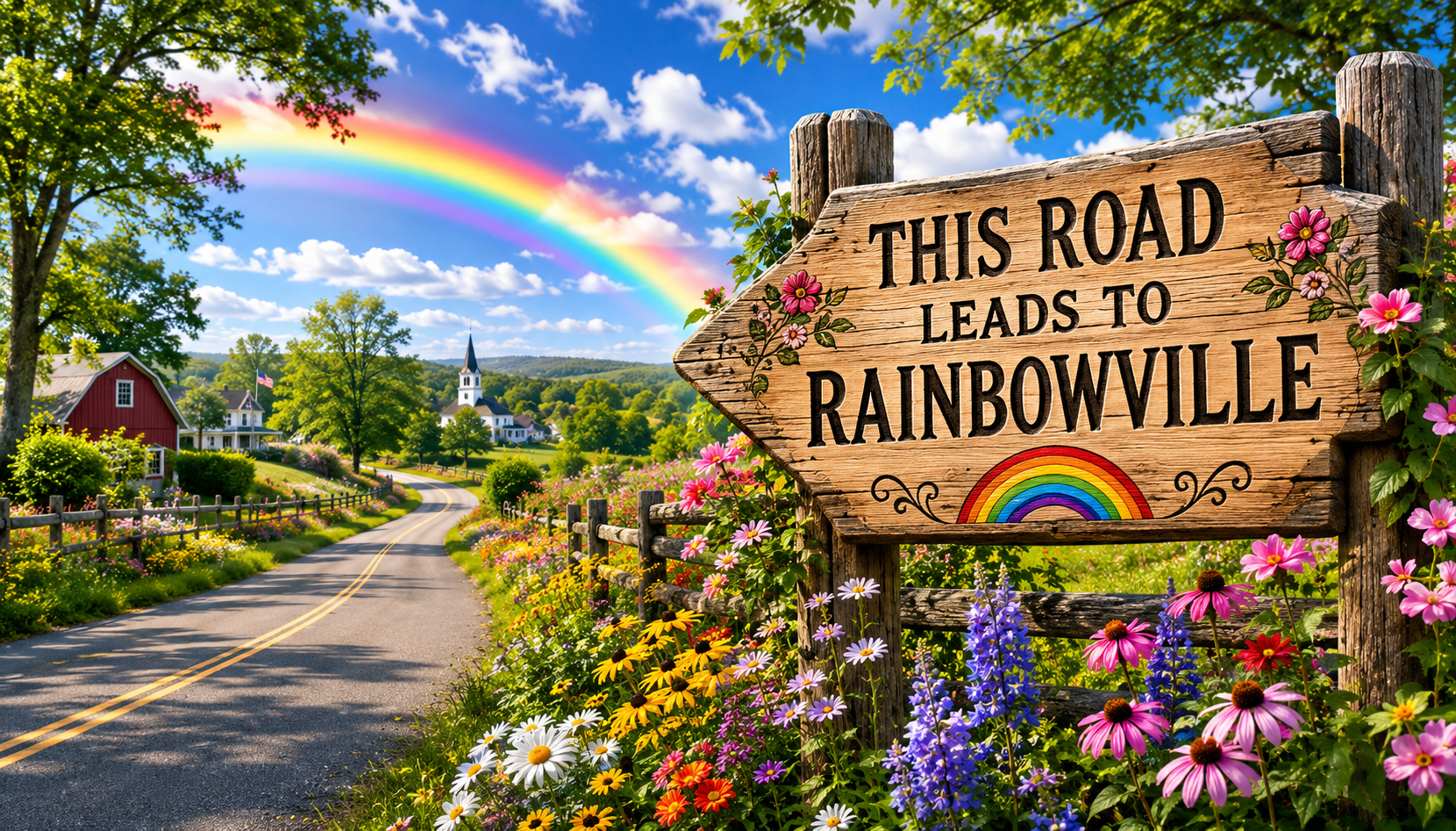


In our quest for spiritual fulfillment, understanding personal belonging emerges as a foundational pillar. Belonging isn’t just about finding a place in a community; it’s about connecting deeply with ourselves and others. It is in these connections that we often discover our faith, our values, and a sense of purpose that transcends the mundane.
Imagine a time when you felt truly seen and valued, surrounded by people who understood your journey. That feeling of acceptance is a glimpse into the power of personal belonging. It fosters a sense of safety and encourages us to explore our spirituality more openly. When we belong, we feel empowered to embrace our beliefs and share our stories, enriching not only our lives but also the lives of those around us.
As we delve deeper into this topic, we will explore how personal belonging influences our spiritual experiences. It shapes our understanding of morality and guides us as we navigate the complexities of life. In moments of doubt or struggle, knowing we belong can be a source of strength, reminding us that we are not alone on our journey.
Throughout history, countless individuals have found spiritual fulfillment through their connections with others. From ancient communities to modern faith groups, the thread of belonging weaves through humanity’s spiritual tapestry. This exploration will invite you to reflect on your own experiences of belonging and how they have shaped your spiritual path.
Join me as we uncover the profound relationship between personal belonging and spiritual fulfillment, paving the way for deeper connections and a more meaningful existence.
1. The Essence of Personal Belonging
At its core, personal belonging is the deep-seated feeling of being accepted and valued within a community or relationship. It’s that warm sense of home, whether physical or emotional, where we feel understood. As we navigate life’s complexities, this sense of belonging becomes a vital cornerstone, shaping our identities and influencing our spiritual journeys.
When we feel we belong, we are often more resilient. Research shows that individuals who experience a strong sense of belonging tend to have better mental health outcomes. This connection can lift us during tough times, providing a cushion against life’s inevitable challenges. Imagine a time when you were surrounded by those who truly understood you—how did that feeling bolster your spirit? It’s in these moments of connection that we often find clarity and purpose.
Belonging is not just about being part of a group; it’s about the emotional ties that bind us. These ties can manifest in friendships, family relationships, or even community involvement. Each of these connections holds the potential to enrich our spiritual lives. For instance, when we engage in acts of kindness or service within our community, we not only support others but also cultivate a sense of unity and purpose within ourselves.
Moreover, personal belonging plays a crucial role in our spiritual exploration. It invites us to ask essential questions about who we are and what we value. Have you ever felt drawn to a particular faith or practice because it resonated with your inner self? This is the power of belonging at work. It gives us the courage to explore, to question, and ultimately to grow.
Yet, the absence of belonging can lead us down a different path. Feelings of isolation can cloud our view of the world and ourselves. In those moments, we might struggle with doubt and uncertainty, feeling as if we are wandering without a map. It’s essential to recognize that this struggle is part of the human experience. Even in solitude, we can find ways to foster our sense of belonging—through self-compassion and intentional connections with others.
As we reflect on our own experiences of belonging, we can begin to understand how these feelings shape our spiritual paths. Each connection we forge, each relationship we nurture, adds depth to our journey. Ultimately, personal belonging is not just a desire; it is a fundamental need that nourishes both our souls and our spirits.
2. Historical Perspectives on Belonging and Spirituality
Throughout history, the concept of belonging has been intertwined with spirituality across various cultures and religions. This relationship helps us understand how our ancestors viewed the connection between community and the divine. In many traditions, belonging was not just about social ties; it was a vital part of spiritual fulfillment.
In ancient Greek culture, for example, the concept of philia—the love among friends—was seen as essential for a balanced life. Philosophers like Aristotle emphasized that true happiness could only be achieved within a community. This sense of belonging fostered not only personal relationships but also a collective pursuit of virtue and wisdom, underscoring the idea that we are not solitary beings but part of a larger tapestry.
Turning to indigenous practices, we find that many tribes view spirituality as deeply rooted in their communal identity. For indigenous peoples, rituals and ceremonies often emphasize connection to the land and to one another. These practices foster a sense of belonging that transcends the individual, creating a shared spiritual experience. In many cases, the land itself is revered, seen as a living entity that nurtures both body and spirit. This connection to place reinforces the idea that belonging is a spiritual anchor, providing a sense of purpose and belonging.
In contrast, major world religions like Christianity and Buddhism offer unique interpretations of belonging. In Christianity, the concept of the Church as the body of Christ emphasizes communal belonging. Believers are encouraged to support one another, with the understanding that their spiritual journeys are interdependent. This collective faith fosters a sense of unity, where individual struggles are shared and uplifted through prayer and fellowship.
Buddhism, on the other hand, teaches that belonging is found through mindfulness and compassion. The Sangha, or community of monks and practitioners, serves as a support system for spiritual growth. Here, belonging is not just about social interaction; it’s a means to cultivate compassion and understanding, deepening one’s spiritual journey.
These various interpretations of belonging remind us that our spiritual paths are often shaped by the communities we inhabit. Whether through shared rituals, communal support, or a connection to the land, belonging has historically provided a framework for understanding ourselves and our place in the universe. As we reflect on these traditions, we see that personal belonging is a profound aspect of spiritual fulfillment, inviting us to explore deeper connections within our own lives.
3. The Role of Community in Spiritual Growth
As we navigate the intricate tapestry of personal belonging, the role of community becomes increasingly clear. Supportive communities can profoundly influence our spiritual development. They create a safe space for exploration and growth, allowing us to share our doubts, beliefs, and experiences without fear of judgment.
Think back to moments when you felt deeply connected to others. Perhaps it was during a shared ritual, like a holiday gathering or a communal service. These experiences foster a sense of belonging that can uplift our spirits and enrich our understanding of ourselves. When we gather with others who share our beliefs, we participate in a collective energy that can elevate our individual journeys.
Collective rituals are more than mere traditions; they serve as anchors for our spiritual lives. They remind us that we are part of something larger than ourselves. Whether it’s lighting candles during a religious ceremony or participating in a community service project, these shared experiences can deepen our sense of connection.
In many cultures, communal practices play a vital role in reinforcing shared beliefs and values. Consider the power of a church choir or a meditation group. These gatherings invite us to harmonize our individual voices, creating a beautiful symphony of faith and spirit. In moments of shared prayer or reflection, we find not only comfort but also inspiration. Our personal belonging grows as we witness others’ journeys and share our own.
Moreover, the strength of a community lies in its ability to support us in times of struggle. When we face challenges, knowing we have people who care can be a source of immense strength. This emotional backing is crucial for our spiritual growth. It fosters resilience and encourages us to explore deeper questions about ourselves and our beliefs.
As we engage with our communities, we are invited to reflect on our own spiritual paths. Each interaction offers a mirror, allowing us to see our beliefs in new light. In this way, personal belonging is not just about feeling accepted; it’s about the dynamic exchanges that enrich our spiritual journeys.
Ultimately, the role of community in spiritual growth cannot be overstated. It is within these supportive circles that we learn to embrace our own vulnerabilities and celebrate our shared humanity. Through connection, we not only nurture our spiritual lives but also cultivate a sense of belonging that resonates deeply within us.
4. Personal Belonging vs. Isolation: A Spiritual Challenge
Isolation can be a silent thief, robbing us of our spiritual growth. When we retreat into loneliness, we often lose sight of the connections that nourish our spirits. Spiritual fulfillment thrives in the warmth of relationships, yet isolation can create barriers that feel insurmountable. It’s like trying to grow a garden in the shade: without light, growth becomes stunted.
Consider the impact of loneliness. It can lead to feelings of unworthiness and despair. When we feel disconnected, our inner dialogue often turns critical. We may question our value or our place in the world. This self-doubt can overshadow our spiritual journey, making it difficult to embrace the belief that we are deserving of love and belonging.
To combat this isolation, we can take practical steps that encourage connection. One powerful approach is to engage in community activities that resonate with our spiritual values. Whether it’s joining a local meditation group or volunteering at a shelter, these experiences can open doors to new friendships and a sense of purpose. In sharing our time and talents, we not only uplift others but also ourselves.
Another way to foster belonging is through shared rituals. These can be as simple as gathering with friends for a weekly meal or participating in collective prayer. Rituals have a unique ability to create bonds, reminding us that we are part of something larger than ourselves. They ground our experiences in tradition and community, providing a comforting anchor in times of uncertainty.
Reaching out to others can also be transformative. A simple phone call or message can bridge the gap of isolation. Sharing our thoughts and feelings with those we trust can lighten our burdens and deepen our connections. It’s in these moments of vulnerability that we often find the greatest strength, discovering that others have faced similar challenges.
Additionally, embracing nature can remind us of our interconnectedness. Spending time outdoors, whether in a park or on a hike, can help us feel connected to something greater. Nature has a way of grounding us, allowing us to reflect on our place in the universe and the beauty of shared existence.
In nurturing our sense of belonging, we not only combat isolation but also pave the way for spiritual fulfillment. Each step taken toward connection enriches our journey, reminding us of the profound impact that relationships can have on our spiritual lives. Through these connections, we find hope, healing, and the affirmation that we are never truly alone.
5. Finding Belonging Through Faith and Morality
Faith plays a vital role in cultivating a sense of belonging. For many, it serves as a compass, guiding us toward communities that share our beliefs and values. When we connect with others through faith, we create bonds that often transcend superficial differences. This connection fosters a shared journey, where each person’s story adds richness to the collective experience.
Consider how faith-based gatherings can transform our sense of belonging. Whether it’s a weekly service, a prayer group, or a community service project, these shared moments create a tapestry of relationships woven together by common purpose. In these spaces, we find not only acceptance but also validation of our beliefs and struggles. It’s in this nurturing environment that we begin to understand our spiritual selves more profoundly.
Moral frameworks also play a crucial role in this journey. They provide a foundation upon which we build our interactions with others. When we align our actions with our values, we cultivate integrity and trust within our relationships. This alignment fosters a sense of belonging that is both profound and lasting. Think about how acts of kindness, honesty, and compassion can draw people closer together, creating a community that thrives on mutual respect.
Reflecting on personal experiences, I recall a time when I volunteered at a local shelter. The moral imperative to help those in need not only connected me with others who shared this commitment but also deepened my sense of belonging. Together, we created a space filled with love and support, reinforcing our collective values. In that moment, I felt a powerful connection that transcended individual struggles, reminding me that we are all part of something greater.
Moreover, these moral beliefs often lead to a deeper understanding of forgiveness and redemption. When we embrace these concepts, we open the door to healing within ourselves and our communities. This journey is not always easy; it requires courage and vulnerability. Yet, it is through these experiences that we find belonging in our shared humanity.
As we nurture our faith and uphold our moral beliefs, we create a sanctuary for ourselves and others. This sanctuary becomes a source of strength, encouraging us to explore the depths of our spiritual lives. In that space, we discover that personal belonging is not just a solitary experience; it is a shared journey that invites us to connect, grow, and thrive together.
6. Practicing Gratitude as a Path to Belonging
Gratitude has a remarkable ability to connect us—not just to ourselves, but to each other. When we actively engage in gratitude practices, we build a sense of belonging that transcends isolation. Scientific studies show that gratitude can enhance our well-being, fostering a greater sense of community and support. It’s a beautiful interplay: the more we express appreciation, the more we cultivate relationships that nourish our spirits.
One simple yet profound practice is keeping a gratitude journal. Each day, write down three things you are thankful for. This act not only shifts your focus to the positive but also highlights the connections you share with others. Perhaps you’ll notice how a friend’s kindness brightened your day or how a stranger’s smile made you feel seen. Over time, this practice can deepen your awareness of the community surrounding you, reinforcing that you are indeed part of something larger.
In addition to personal reflection, expressing gratitude to others can create a powerful ripple effect. A heartfelt thank-you note or a spontaneous compliment can strengthen bonds and invite further connection. When we acknowledge the contributions of those around us, we reinforce the idea that we belong together in this journey of life. It’s a reminder that we are interconnected, each playing a vital role in the tapestry of our shared experiences.
Another effective practice is participating in gratitude circles. Gather a group of friends or family, and take turns sharing what you’re grateful for. This communal act not only fosters deeper connections but also invites vulnerability, allowing everyone to feel more seen and valued. As you listen to others express their gratitude, you may find common threads that deepen your understanding of one another, reinforcing your sense of belonging.
Spiritual traditions often emphasize gratitude as a pathway to fulfillment. Many faiths teach that expressing thanks can open our hearts and minds, allowing us to receive and give love more freely. This spiritual lens reminds us that gratitude is not just a feeling; it’s a practice that can transform our relationships and our understanding of ourselves.
As you explore gratitude in your life, consider how it shapes your sense of personal belonging. Each moment of appreciation adds to the foundation of community and connection. In embracing gratitude, you invite a richer, more fulfilling spiritual life that nurtures both your heart and soul.
Frequently Asked Questions
As we delve deeper into the relationship between personal belonging and spirituality, it’s natural to have questions. Let’s explore some of the most common inquiries that arise on this journey.
How can I seek a sense of belonging?
Seeking belonging often begins with self-reflection. What do you value? What brings you joy? Engaging in activities that resonate with your passions—be it volunteering, joining a group, or attending community events—can help you connect with like-minded individuals. For instance, I remember joining a local book club. It wasn’t just about reading; it became a space where I found friends who shared my interests and values. This connection fostered a sense of belonging that enriched my spiritual journey.
Is spirituality only about community?
While community plays a vital role, spirituality is also an intimate, personal experience. It encompasses your beliefs, practices, and the way you connect with the universe. Many people find that their spiritual exploration is deepened through community, but it can also flourish in solitude. Think of moments spent in nature, meditative practices, or quiet contemplation. These experiences can cultivate personal belonging within yourself, allowing you to connect deeply with your own spirit.
What if I feel disconnected from my community?
Feeling disconnected is more common than we think, especially in our fast-paced lives. It’s important to acknowledge this feeling. Start by reaching out—be it a friend or a group you admire. Authentic conversations can bridge gaps. I recall a time I felt isolated after moving to a new city. I decided to attend a local church, not just for worship, but to engage with others. Those simple acts of reaching out transformed my sense of belonging.
Can personal belonging be found in different spiritual practices?
Absolutely! Personal belonging can manifest in various spiritual practices. Whether through meditation, prayer, or rituals, these experiences can create a sense of connection not only to yourself but also to something greater. It’s about exploring what resonates with you. For example, someone might find belonging in the tranquility of yoga, while another may feel it through communal worship. Each path is valid and contributes to a richer spiritual life.
What misconceptions exist about spirituality and belonging?
One common misconception is that spirituality means adherence to strict beliefs or dogmas. In truth, spirituality is about exploration and connection, not conformity. It invites you to embrace your unique experiences and perspectives. Belonging isn’t about fitting in; it’s about finding spaces where you can be your authentic self. Remember, you belong simply by being who you are, with all your questions and doubts.
As we navigate these questions, let’s remember that the journey toward personal belonging is deeply personal yet profoundly collective. Each inquiry opens doors to deeper understanding, and together, we can explore this beautiful path toward spiritual fulfillment.
Conclusion: The Journey Towards Spiritual Fulfillment
As we draw our exploration to a close, it’s clear that personal belonging is a vital thread woven into the fabric of our spiritual journeys. Each connection we make—be it with friends, family, or our communities—serves as a mirror reflecting our own identities and values. These relationships not only enrich our lives but also illuminate our paths toward deeper spiritual understanding.
Reflecting on our experiences of belonging can be transformative. It prompts us to consider how these connections nurture our souls. When we feel accepted and valued, we unlock a sense of peace that allows for genuine spiritual growth. Think back to moments when a simple act of kindness or shared laughter made you feel truly seen. These instances remind us that belonging is not just a longing; it is essential for our spiritual well-being.
Moreover, the journey toward personal belonging is often a shared one. When we engage with others, we cultivate a sense of community that can uplift and inspire. This collective experience provides a sanctuary where we can explore our vulnerabilities and celebrate our shared humanity. In these spaces, we learn that we are not alone in our struggles or triumphs.
In closing, I encourage you to embrace your own path of belonging with open arms. Reflect on the relationships that have shaped your spiritual life and seek out new connections that resonate with your heart. Remember, each step you take toward belonging is a step toward greater spiritual fulfillment. Together, let’s continue this journey, celebrating the beauty of connection and the profound impact it has on our souls.

Leave a Reply