
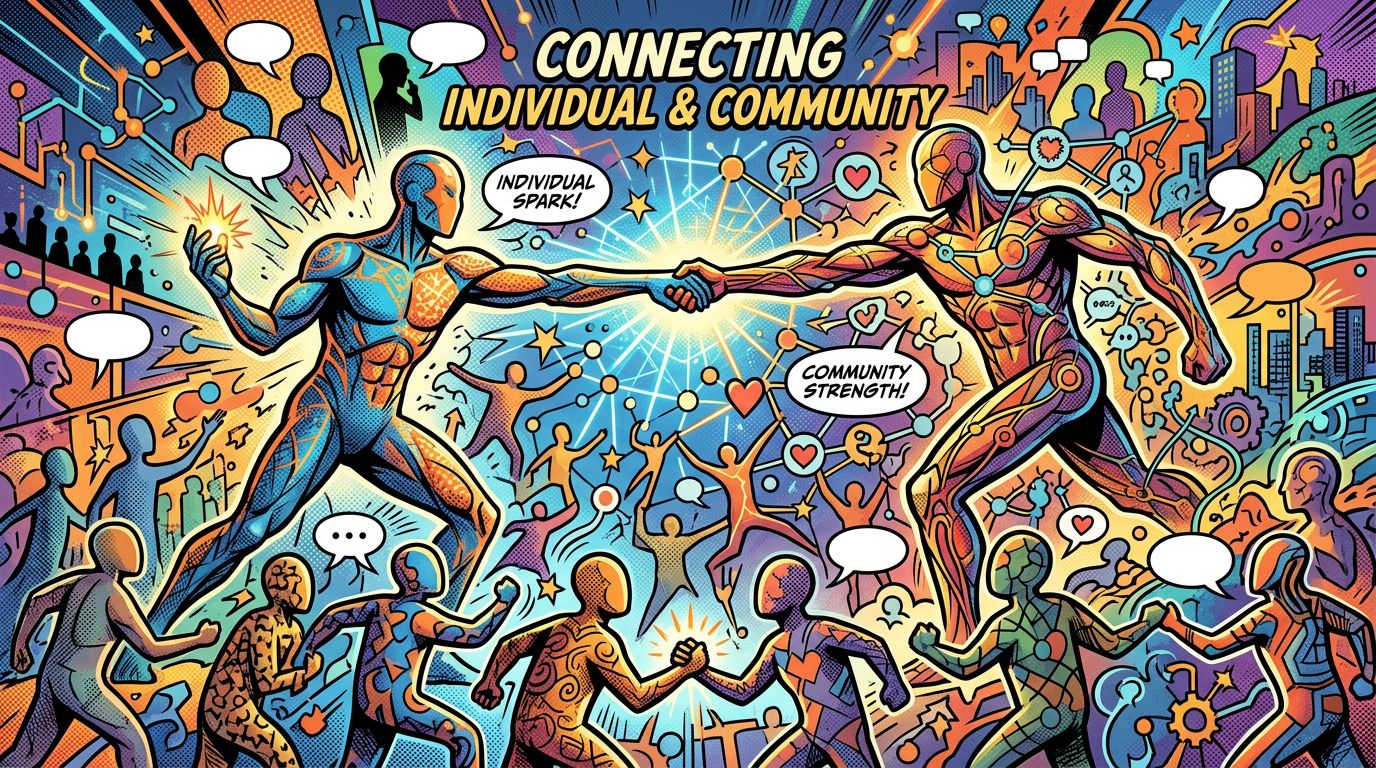
In our journey through life, the relationship between self and society shapes who we are and how we navigate the world around us. Each of us carries a unique identity, yet we exist within a tapestry of collective experiences. This dynamic is not merely an abstract idea; it’s the foundation of our interactions and relationships.
Understanding how our individual selves intertwine with societal expectations can lead to profound personal and spiritual growth. When we recognize that our thoughts, feelings, and actions are influenced by the communities we belong to, we open the door to deeper self-awareness.
Consider the ways in which our family, culture, and even social media shape our perceptions. Each influence adds a layer to our identity, often prompting us to reflect on our beliefs and values. As we delve into this exploration, we will uncover how these various aspects of life impact our connection to ourselves and the larger world.
Through this journey, we invite you to engage with your own experiences, fostering a deeper understanding of your role within society. Together, let’s uncover the beauty and complexity of this vital relationship, illuminating paths toward connection and growth.
1. The Concept of Self: An Inward Journey
Understanding the self is an intricate and deeply personal journey. At its core, the self encompasses our thoughts, feelings, and beliefs—elements that shape who we are. Renowned psychologist Carl Rogers emphasized the idea of self-actualization, suggesting that we all have an inherent drive to realize our full potential. This process involves not just ambition, but a profound understanding of oneself.
Self-awareness is crucial here. It acts as a mirror, reflecting our strengths and weaknesses. When we take the time to look inward, we often discover layers of identity that have been shaped by experiences, relationships, and society itself. This awareness provides a foundation for understanding our roles in the broader community. After all, how can we connect with others if we don’t first know ourselves?
Moreover, self-discovery often intertwines with spiritual growth. Many find that exploring their inner selves leads to a greater sense of purpose and belonging. As we peel back the layers, we may uncover values and beliefs that resonate deeply, guiding our interactions with the world around us.
In the delicate dance between self and society, our personal identities inform how we engage with others. By understanding ourselves better, we become more empathetic, compassionate participants in our communities. This journey inward is not just about personal development; it’s about nurturing connections that enrich our shared human experience.
2. Societal Influences on Identity Formation
In our quest to understand the intricate relationship between self and society, we must first acknowledge how societal norms and cultural values shape our identities. From the moment we enter the world, we are surrounded by influences that subtly—yet profoundly—mold our perceptions of who we are. These influences come from various sources, including family, education, and peer groups, each playing a distinct role in our identity formation.
Family is often our first social institution. The values we learn at home, whether through direct teaching or observation, lay the foundation for our self-concept. For instance, a child raised in a household that values creativity may grow up embracing artistic expression, while another raised in a more traditional setting may prioritize stability and conformity. These early lessons resonate throughout our lives, often guiding our choices and shaping our identities in ways we might not consciously recognize.
Education serves as another critical influence. Schools are not just places for academic learning; they are arenas where societal expectations are reinforced. Through interactions with teachers and peers, we learn about cooperation, competition, and the standards of success. Yet, this environment can also create tension. Many students feel pressured to conform to certain behaviors or ideologies, which may conflict with their authentic selves.
Peer groups further complicate this dynamic. The desire to fit in can lead individuals to adopt identities that align with the group’s norms, sometimes at the expense of their unique selves. This struggle between individuality and conformity is a poignant theme in many of our lives. We often find ourselves navigating the delicate balance between expressing our true selves and adhering to societal expectations.
As we reflect on these influences, it becomes clear that our identities are not solely products of personal choice. They are woven into the larger fabric of our communities, shaped by the myriad forces that surround us. Understanding this interplay can empower us to embrace our individuality while also fostering a sense of connection to the broader society.
3. The Role of Relationships in Self-Realization
Interpersonal relationships are at the heart of understanding our roles within society. Friendships, for instance, offer more than companionship; they serve as mirrors reflecting our values and behaviors. Through our interactions, we learn about trust, empathy, and even conflict resolution. Think about a close friend who has challenged your perspective—these moments not only deepen your connection but also contribute to your personal growth.
Mentorship plays a pivotal role in shaping our individual journeys. A mentor can provide guidance, wisdom, and support, helping us navigate the complexities of our choices. For many, a mentor is a lifeline, offering insights that steer us toward ethical decision-making and personal integrity. This relationship often extends beyond professional development; it nurtures our character and bolsters our confidence in our ability to contribute meaningfully to society.
Community ties are equally essential. They foster a sense of belonging, reminding us that we are part of something larger. When we engage with our communities, we discover shared values and collective goals. Whether it’s volunteering at a local shelter or participating in neighborhood events, these connections nurture a sense of purpose. They remind us that our actions can ripple outwards, impacting not just ourselves but everyone around us.
As we explore the relationship between self and society, it’s clear that our individual identities are enriched through these connections. Friendships, mentorships, and community ties are not just background noise; they are vital threads in the tapestry of our lives. By valuing these relationships, we cultivate a deeper understanding of ourselves and our place in the world.
4. Moral and Ethical Responsibilities in Society
As we navigate our lives, we often encounter moments that challenge our understanding of what it means to be a responsible member of society. At the heart of these moments lie our moral and ethical responsibilities to one another. Concepts like altruism, justice, and communal responsibility shape our actions and decisions, guiding us as we interact with others.
Ethical frameworks, such as utilitarianism or deontology, help clarify these responsibilities. Utilitarianism asks us to consider the greatest good for the greatest number, prompting us to evaluate our choices based on their impact on the whole community. In contrast, deontology emphasizes duty and principles, urging us to act according to moral rules, regardless of the consequences. Reflecting on these frameworks can illuminate how we understand our roles within society.
Throughout history, individuals have faced moral dilemmas that reveal the complexity of these responsibilities. Consider the courageous stand taken by civil rights activists who risked their safety for justice. Their actions remind us that standing up for what is right often requires personal sacrifice. In contemporary society, we see similar challenges, such as the ongoing debates about climate change and social equity. These issues compel us to reflect on our ethical obligations to future generations and the marginalized among us.
As you ponder your own moral stance, think about how it aligns with your social roles. Are you actively engaging in your community? Are you advocating for those who cannot speak for themselves? Each small act of kindness contributes to the larger tapestry of altruism and justice.
By examining our responsibilities, we not only enrich our understanding of self and society but also foster a deeper sense of connection with those around us. In every decision we make, we have the power to impact lives, shaping a more compassionate world.
5. Finding Balance: Integrating Self and Society
Finding harmony between our personal identities and the expectations of society can feel like walking a tightrope. It’s crucial to maintain authenticity while navigating social pressures. One way to do this is by establishing healthy boundaries. These boundaries serve as protective barriers that allow us to express our true selves without losing sight of who we are in the midst of societal demands.
For example, consider a situation where a friend invites you to an event that doesn’t resonate with your values. Instead of feeling obligated to attend, you might gently decline, expressing your gratitude while prioritizing your own needs. This practice not only reinforces your identity but also fosters respect in your relationships.
Mindfulness can play a transformative role in balancing self and society. Simple practices such as meditation or journaling can help clarify your values and intentions. When we take time to reflect, we become more aware of how societal expectations impact our choices and emotions. This awareness allows us to respond thoughtfully rather than react impulsively.
Additionally, surrounding ourselves with supportive communities that align with our values can create a nurturing environment for personal growth. Engaging in conversations that encourage vulnerability can deepen our connections while allowing us to remain true to ourselves.
In this delicate dance between self and society, remember that it’s okay to prioritize your well-being. By integrating your personal identity with the world around you, you create a space where both can thrive.
Embracing the Interconnection Between Self and Society
As we reflect on the intricate relationship between self and society, several key insights emerge. Our identities are shaped by the communities we inhabit, while our personal growth contributes to the collective well-being of those around us. This interconnectedness is not merely a concept; it’s a living reality that invites us to engage more deeply with both ourselves and the world.
By embracing reflexive practices, such as journaling or mindful meditation, we can enhance our self-awareness. These practices allow us to explore our thoughts and emotions, helping us understand how they influence our interactions. When we nurture our personal identities, we simultaneously enrich the communities we belong to.
It’s essential to remember that our roles in society are not just responsibilities; they are opportunities for connection and growth. Each interaction, whether big or small, has the potential to foster compassion and understanding. As we weave our unique threads into the larger tapestry of society, we create a vibrant mosaic that reflects our shared humanity.
In closing, let us commit to nurturing both our individual selves and our communal ties. By doing so, we not only enhance our personal journeys but also contribute to a more empathetic and united world. Together, we can truly embrace the beautiful interplay of self and society.

Leave a Reply