

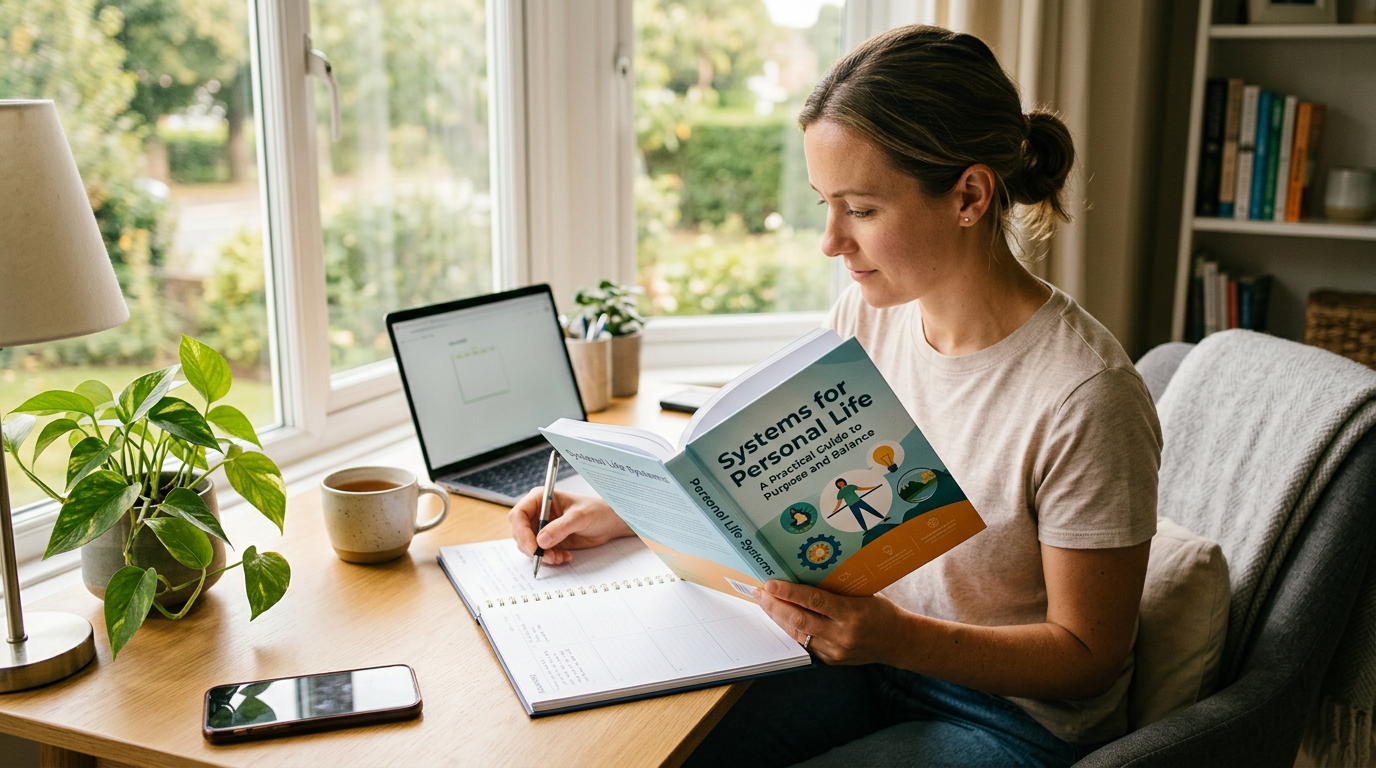
Systems for personal life can help us turn sincere convictions into faithful daily practices. Good intentions matter, but they often fade beneath fatigue, distraction, and competing responsibilities. A thoughtful system gives purpose a dependable shape.
This does not mean creating a rigid productivity schedule or measuring every moment. It means stewarding our time, energy, attention, and relationships with care. Like a gardener tending different plants, we learn that balance is not equal attention everywhere. It is ordering our commitments according to our values and the season of life we are living.
For a parent, this may mean protecting family meals; for a caregiver, allowing room for rest without guilt. For anyone seeking to live with integrity, it means making space to listen, discern, act, and begin again. In the pages ahead, we will explore practical structures that support reflection, responsibility, rest, and moral consistency—so faith can shape not only what we believe, but how we live.
Begin with Purpose: Clarify What Your Life Is For
Before building systems for personal life, begin with purpose. Otherwise, your calendar may become a record of pressure, comparison, and unfinished obligations. Purpose asks deeper questions: What do I believe is ultimately valuable? Whom am I called to love and serve? What kind of person am I becoming through my daily choices?
For a person of faith, purpose begins with God rather than public approval. It may include caring for family, practicing honesty, welcoming the lonely, or serving a particular community. Others may ground their purpose in moral commitments such as compassion, justice, or responsibility. In either case, a meaningful purpose reaches beyond status, achievement, or the fear of missing out.
Try writing a concise purpose statement in one or two sentences. You might write, “I will use my gifts to love God, care for people entrusted to me, and serve my community with humility.” This statement will not answer every circumstance in advance. Instead, it becomes a compass when opportunities compete, priorities blur, or fear begins making decisions for you.
Return to it regularly. Let it shape what you accept, decline, and protect. A purposeful life is not busyness with better branding; it is daily faithfulness expressed through ordinary choices.
Translate Values into Rhythms and Routines
Values become believable when they become visible. A conviction about compassion takes shape through listening, forgiveness, and service—not through intention alone. The best systems for personal life help us practice what we say matters.
Rather than relying on a perfect daily schedule, design rhythms for each day, week, and season. A morning prayer or meditation on sacred texts can center the day. Gratitude, worship, and shared meals can strengthen relationships. Focused work, regular exercise, and clear technology boundaries can protect both purpose and attention.
Weekly rhythms create room for what daily demands may crowd out. Set aside time for community, service, rest, and honest review. Seasonal rhythms might include a retreat, a change in commitments, or a renewed focus during a significant period of faith. These patterns create steadiness without making devotion feel like a performance.
A simple framework can help:
- Identify the value.
- Choose one repeatable practice.
- Attach it to a reliable cue.
- Review whether it is producing the intended character.
For example, if you value presence, leave your phone outside the bedroom and practice attentive conversation at dinner. If you value physical care, walk after lunch several days each week. The question is not, “Did I complete every task?” It is, “Who am I becoming through these repeated choices?”
Create Boundaries That Protect What Matters
Boundaries are not selfish walls. They are moral and relational tools that protect the commitments we believe deserve our best attention. Every yes carries an opportunity cost, so purposeful living requires courage to decline activities that repeatedly undermine higher obligations.
Begin by naming what needs protection: prayer, marriage, children, health, meaningful work, rest, or service to your community. Then create simple limits around availability, technology, spending, and relationships. You might silence work notifications after dinner, set a weekly spending amount, or reserve one evening for family and renewal.
This can feel uncomfortable, especially for people-pleasers. Fear of disappointing others may make constant availability seem like proof of love or faithfulness. Yet digital distraction and endless responsiveness often leave us resentful, exhausted, and neglectful of responsibilities that matter deeply.
Compassionate boundaries do not end service; they make service sustainable. A gracious “I cannot take that on this week” may preserve your ability to show up wholeheartedly later. In building systems for personal life, remember that limits are not refusals of love. They are promises to offer your presence with honesty, freedom, and care.
Review, Repent, and Adjust the System
Every system needs regular review. Once a week or month, ask where your attention went, which commitments you honored, and where relationships suffered. Notice which emotions and habits revealed your deeper priorities.
This is more than a productivity score. Bring your review into prayer through confession and gratitude. Receive forgiveness, seek wise counsel, and repair harm where your choices wounded someone. The goal is not shame, but greater honesty, love, and freedom.
Your systems for personal life should remain flexible. Illness, grief, family changes, demanding work seasons, and growing convictions may require a different expression of faithfulness. Adjust the calendar, reduce commitments, or create new boundaries without condemning yourself. A faithful life includes returning, learning, and beginning again.
Let Your System Serve Love, Not Control
The healthiest systems for personal life are tools, not verdicts. Begin with one meaningful rhythm, review it honestly, and adjust as faith, relationships, and responsibilities change. Balance is not achieved once; it is practiced through continual discernment.
Let your structure create space for presence, forgiveness, and service—not anxiety or control. For continued reflection on practical faith and intentional living, visit the Going My Way. Today website. The healthiest system does not make life smaller or more controlled; it creates room to give attention to what love and conscience require.

Leave a Reply