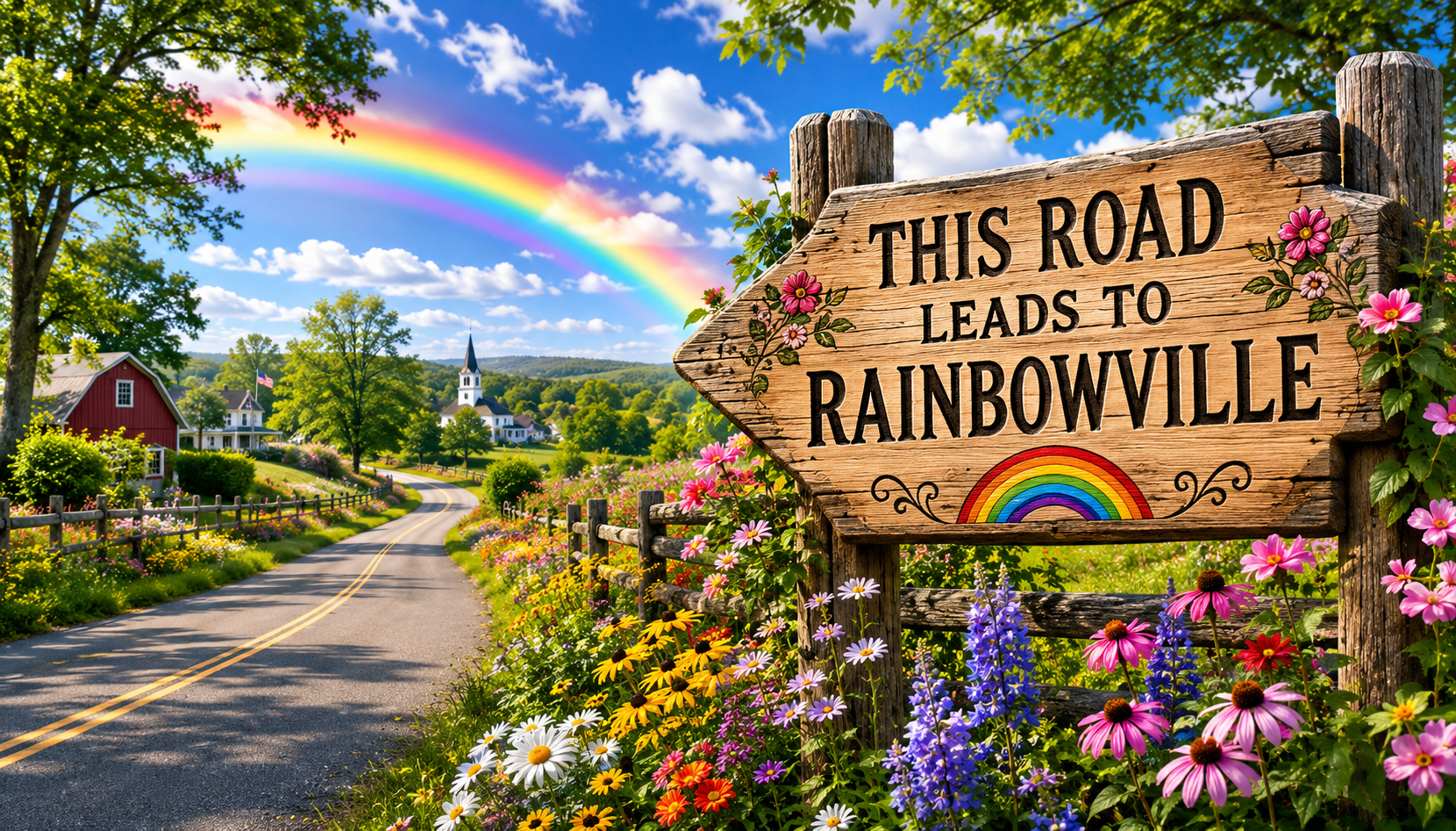


In our journey through life, understanding the concept of “community of self” is vital. This idea invites us to explore our inner world while fostering connections that enrich our spiritual paths. At its core, self-awareness is about recognizing who we are and how we relate to others. It serves as the foundation for building deeper, more meaningful relationships.
When we nurture personal connections, we create a supportive environment where growth can flourish. Imagine a garden: each plant thrives not just on its own but also through the symbiotic relationships it forms with others. The same holds true for us; our experiences and reflections are often amplified by the presence of a compassionate community.
Community brings transformative power to our lives. It encourages us to share our stories and learn from one another, fostering an atmosphere of empathy and understanding. As we engage with those around us, we begin to see our own struggles and triumphs mirrored in their experiences. This shared journey not only enriches our sense of self but also strengthens the bonds that connect us all. By embracing a community of self, we open ourselves to the beauty of collective growth and shared wisdom.
1. Embracing Vulnerability in Relationships
Vulnerability is often seen as a weakness, but in reality, it is a powerful bridge to deeper connections. When we allow ourselves to be open and authentic with others, we create a safe space for genuine dialogue. This courage to share our fears and dreams fosters trust, encouraging others to do the same.
Consider a moment when you shared a personal struggle with a friend. Perhaps it was a job loss or a family issue. In that instant of honesty, the walls between you fell away. Your friend might have responded with their own story, revealing that they too have navigated similar waters. These exchanges remind us that we are not alone in our experiences.
Being vulnerable can also pave the way for support during difficult times. When we express our true selves, we invite others to step in and offer their compassion. I remember a time when I confided in a close friend about my anxiety. Instead of shying away, they listened intently and shared their own battles. That moment transformed our relationship, deepening our bond and creating a community of self that thrived on authenticity.
Embracing vulnerability doesn’t mean sharing everything at once. It’s about taking small steps, revealing layers of ourselves gradually. With each act of openness, we nurture an environment where love and understanding can flourish. In doing so, we not only strengthen our personal connections but also inspire others to embark on their own journeys of vulnerability.
2. The Role of Shared Values
Shared values act as the glue that binds us in a community of self. When individuals align on core beliefs, such as compassion, integrity, and respect, they create a sturdy foundation for deeper connections. These values foster honest discussions about faith and morality, allowing us to explore our shared humanity.
Consider the value of compassion. It invites us to listen actively and respond with empathy. In a small group setting, when someone shares their struggles, a compassionate response can transform that moment into a powerful connection. It’s in these exchanges that we recognize our collective experiences, reminding us we are not alone in our challenges.
Similarly, integrity lays the groundwork for trust. When we uphold honesty and transparency, we encourage others to do the same. This mutual commitment to truthfulness opens the door to meaningful conversations. Together, we can navigate complex moral dilemmas, drawing from our shared values to guide our decisions.
Moreover, embracing shared values creates a safe space for vulnerability. When we feel aligned with others, we are more willing to express our fears and aspirations. This openness can lead to profound connections, as we often find that our hopes and dreams resonate with those around us.
In nurturing these shared values, we cultivate a community of self that thrives on understanding and acceptance. The conversations we have around these principles not only deepen our relationships but also illuminate the path toward collective growth and healing.
3. Fostering Open Communication
Open communication is the lifeblood of any thriving community of self. It invites a space where thoughts and feelings can flow freely, fostering deeper connections among individuals. When we engage in honest conversations, we create opportunities for understanding and empathy to flourish.
Active listening is a cornerstone of effective communication. It’s not just about hearing words; it’s about fully engaging with the speaker. When you listen without interruption, you convey respect and validate their experiences. This practice encourages others to share their truths, creating a rich tapestry of perspectives within our community.
Consider the power of asking open-ended questions. Instead of simply inquiring, “How was your day?” ask, “What was the best part of your day?” This invites deeper reflection and connection. It’s in these moments of vulnerability that we often find the common threads that unite us.
Empathy plays a crucial role as well. When we approach conversations with compassion, we allow ourselves to feel alongside others. This emotional resonance not only strengthens our bonds but also fosters a culture of acceptance.
Remember, communication is a two-way street. While it’s important to express our own thoughts, we must equally prioritize understanding others. By nurturing this dynamic, we cultivate a community of self that resonates with love, support, and shared growth. Each conversation becomes a step toward healing and connection, enriching our collective journey.
4. Creating Safe Spaces for Discussion
Creating a safe space for discussion is essential in nurturing a community of self. A safe space is one where individuals feel free to express their thoughts and feelings without the fear of judgment or ridicule. It’s a sanctuary where vulnerability is met with compassion, allowing authentic dialogue to flourish.
To cultivate such an environment, we can implement a few key practices. First, establishing ground rules for discussions can foster trust. Encouraging active listening, where participants focus fully on the speaker, reinforces respect. When people know they will be heard, they are more likely to share their truths.
Another vital practice is showing empathy. When someone shares a personal story, responding with understanding rather than criticism creates a connection. For instance, if a member opens up about their struggles with anxiety, acknowledging their feelings with a simple, “That sounds really tough,” can change the tone of the conversation. It signals that their emotions are valid and worthy of attention.
Additionally, regular check-ins can help create a rhythm of openness. Asking group members how they feel about the discussions or if they have any concerns fosters a culture of feedback and growth. This not only allows individuals to express their needs but also reinforces the idea that everyone plays a role in maintaining this safe environment.
By intentionally creating these spaces, we lay the groundwork for deeper connections. When people feel safe to share, we weave a tapestry of experiences and insights that enrich our community of self.
5. Commitment to Continuous Growth
A commitment to continuous growth is essential in nurturing our community of self. When we support each other’s journeys, we create a rich tapestry of shared experiences. Each person’s growth story becomes a thread that binds us closer together, reminding us that we are not alone in our struggles or triumphs.
Encouraging one another doesn’t mean we have to have all the answers. Sometimes, simply being present and listening can be the most profound way to support someone. Consider hosting regular gatherings where community members can share their goals and aspirations. This creates a space for accountability and inspiration, allowing everyone to celebrate progress together.
Another practical way to foster growth is through shared learning experiences. Organize workshops or book clubs focused on themes of personal development, spirituality, or emotional resilience. These activities not only promote individual growth but also deepen our understanding of one another. As we engage in these shared pursuits, we become more attuned to the unique journeys within our community.
Mentorship can also play a pivotal role. Pairing those who have walked a certain path with those just beginning can create powerful connections. It’s a beautiful reminder that growth is not a solitary journey but a collective endeavor.
By investing in our own growth and that of others, we enhance our community ties. This commitment enriches our spiritual lives, creating a supportive environment where everyone can thrive. Together, we can build a community of self that celebrates and nurtures continuous growth.
The Lasting Impact of a Nurtured Community
As we draw our reflections to a close, it’s clear that nurturing personal connections is more than just an act of kindness; it’s a transformative journey. By engaging with others in authentic ways, we foster a community of self that encourages spiritual growth and fulfillment. Each shared story and moment of vulnerability acts as a catalyst for deeper understanding, allowing us to learn from one another’s experiences.
The power of community lies in its ability to hold a mirror to our own lives. Through connection, we gain insights into our struggles and triumphs, reminding us that we are never truly alone. This shared journey creates bonds that not only enrich our individual lives but also bolster the collective spirit of our community.
I encourage you to actively seek out and nurture your own connections. Each small step you take—whether it’s reaching out to a neighbor or joining a local group—contributes to a larger tapestry of love and support. Remember, as we invest in one another, we cultivate a space where healing and growth can flourish. Together, let’s embrace the beauty of a nurtured community, knowing that in doing so, we pave the way for a more fulfilling and connected life.

Leave a Reply